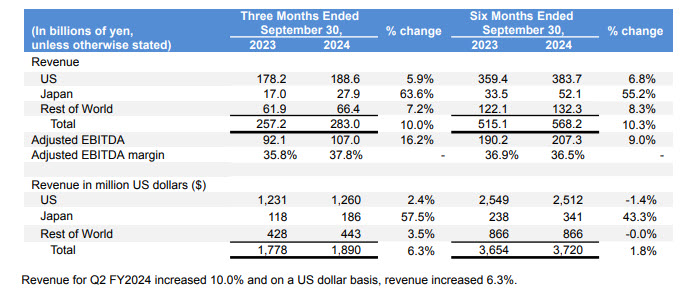
Indeed, one of the largest job search platforms in the world, has released its latest earnings report, providing a look at what to expect from the global hiring market. While the hiring bubble after the pandemic seems to be slowed, the report points to a more balanced and sustainable stage for the industry.
Instead of exploding, the HR tech industry is moving toward efficiency, automation, and long-term workforce planning.
A Cooling but Stable Hiring Environment
Most notable from Indeed’s earnings report was the stabilization of global job postings. After years of high-stakes hiring, the market is finally coming to terms with predictable hiring patterns.
These takeaways include:
- Across the country, job postings have leveled off.
- Demand is higher than pre-pandemic levels.
- Employers are hiring cautiously.
- Still, skilled workers are being recruited in great numbers.
The labor market is not overheating anymore, but progressing in a steady and regulated growth environment.
Revenue Trends Reflect Market Adjustments
Indeed’s financial performance is reflective of the overall drop in demand for hiring. As hiring firms trim their hiring budgets, agencies are spending less money on job advertising and recruitment services.
But, it shows that resilience has also been exhibited in key areas:
- Continually, Enterprise Clients are investing in hiring tools.
- Premium job listings services remain highly sought after.
- International hiring remains a strong factor in several markets.
Overall, the revenue trend is not looking like a decline, but more of a steady upward trend for the HR technology industry.
Strong Wage Pressure Continues Globally
Although hiring activity has slowed, wage inflation remains a significant issue in the job market. Employers continue to compete for skilled workers, keeping salaries high in many industries.
You will be in an environment where:
- Cost control and a competitive pay scale must be balanced by business.
- The most successful professionals can continue to hammer home the bargain.
- Retention has become as important as recruitment.
For HR, this means shifting the focus from a focus on hiring quickly to workforce planning and retention.
AI is Reshaping Recruitment Strategies
One of the biggest changes over the long haul in the industry is the increasing role of artificial intelligence in the hiring process.
This report is also in line with other trends in HR technology such as:
- AI-powered candidate matching systems.
- Automated resume screening: Check your resume for accuracy and completeness.
- Skills-based job recommendations.
- Predictive hiring analytics for organizations.
In this way, recruitment becomes more efficient, precise, and less reliance on the human touch. HR platforms are now becoming intelligent hiring ecosystems, rather than mere job boards.
Skills-Based Hiring is Becoming the New Standard
Another change to the hiring landscape is the shift toward skills-based recruitment.
Instead of just degrees or job titles, employers are also assessing:
- Skills: Practical skills; you can use your hands in helping to prepare your presentation.
- Real-world experience.
- Project-based capabilities are the ability to respond to an emerging need for a particular type of capability in an emerging market.
- Competency in technical subjects: You are not going to be able to write this.
This technology is helping companies to access a broader range of talent and improve hiring efficiency in sectors where there is a talent shortage.
Global Hiring Trends Remain Mixed but Resilient
The results also reflect an ongoing shift in the worldwide workforce.
- Remote and hybrid work models remain widely accepted
- Certain industries still face critical talent shortages
- Cross-border hiring continues to grow
- Digital transformation is driving demand for tech talent
This shows that, even though growth has slowed down, the global labor market remains extremely vibrant.
What This Means for the HR Tech Industry
In the HR technology industry, innovation is increasingly important than scale. The companies like Indeed are not focused on growth. They are actively seeking smarter hiring solutions.
Future industry priorities include:
- AI-driven recruitment automation
- Improved candidate experience
- Data-backed hiring decisions
- Global workforce connectivity
This marks a shift from traditional recruitment models to technology-powered talent ecosystems.
Final Thoughts
The latest earnings report from Indeed highlights an important turning point in the global hiring landscape. While the explosive growth period has ended, the industry is becoming more stable, intelligent, and efficiency-driven.
For employers, recruiters, and HR tech platforms, the message is clear:
success in the future will depend on adaptability, technology adoption, and smarter hiring strategies. Read more: Enterprise Software HR Tech News Today
Faqs
What is Indeed’s latest earnings report about?
Indeed’s latest earnings report provides insights into the company’s financial performance, hiring trends, job market activity, and overall demand in the global recruitment industry.
Is the job market growing according to Indeed’s report?
The report shows that the job market has stabilized. While rapid post-pandemic growth has slowed, hiring demand remains steady and stronger than pre-pandemic levels in many regions.
How does Indeed’s performance affect the HR tech industry?
Indeed’s performance reflects broader HR tech trends such as slower but stable hiring growth, increased use of AI in recruitment, and a shift toward skills-based hiring models.
What are the main hiring trends highlighted in the report?
Key trends include stable job postings, continued wage pressure, rising adoption of AI in recruitment, and a growing focus on skills-based hiring instead of traditional qualifications.