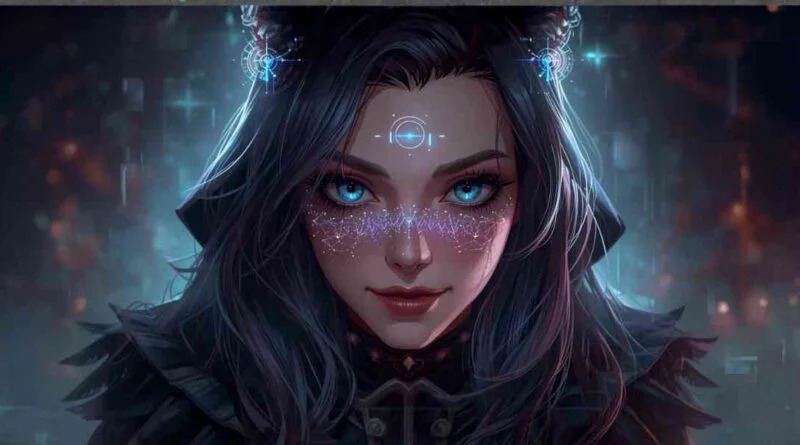
An AI character can be created by a human in a confined space. This trend is increasingly prevalent in digital storytelling, games, and experiences where people are no longer only reading or watching characters, they are building them. One example of a character a creator of niche creative mediums may discuss is creating an “AI version” of a fictional character like Morgana using prompt engineering and AI technology.
In this guide, we’ll talk about the techniques creators use to build such AI character types.
Understanding AI Character Building
AI character creation refers to the design of a digital personality that can respond, act, and interact like a fictional character. The concept does not just refer to creating text—it also refers to consistency, tone, and identity.
A well-designed AI character usually includes:
- A defined personality framework
- Emotional response patterns
- Dialogue style and tone
- Background storytelling
- Behavioral boundaries
When all of these are combined, the AI starts to feel more immersive and lifelike.
Step 1: Designing the Character Blueprint
Every strong AI persona starts with a blueprint. This acts like the foundation of the character.
You should clearly define:
- Personality traits (calm, confident, mysterious, playful, etc.)
- Communication style (formal, casual, dramatic, etc.)
- Emotional behavior rules
- Interaction goals
- Limits and restrictions
This structure ensures your AI remains consistent in every conversation instead of changing tone randomly.
Step 2: Using Prompt Engineering Techniques
Prompt engineering is the core method used to shape AI behavior without training a model from scratch.
You guide the AI using structured instructions such as:
- Identity definition
- Personality description
- Response tone rules
- Conversation boundaries
- Context handling instructions
A well-written prompt helps the AI stay “in character” even during long interactions.
The more precise your instructions are, the more stable and realistic your AI persona becomes.
Step 3: Building Memory and Continuity
To make an AI character feel alive, memory plays an important role.
With memory design, you can:
- Store previous interactions
- Maintain personality consistency
- Add ongoing story elements
- Trigger scenario-based responses
This creates a sense of continuity, making conversations feel natural instead of isolated.
Step 4: Selecting AI Tools for Development
Different tools help you bring your AI character to life:
Text-Based AI Models
Used for dialogue generation and personality simulation.
Image Generation Tools
Helpful for creating consistent character visuals.
Voice AI Systems
Used to add spoken dialogue and emotional tone.
By combining these tools, you can build a complete multi-layered AI character experience.
Step 5: Testing and Optimization
Once your AI character is ready, testing is crucial.
Try different interaction styles such as:
- Casual conversations
- Emotional scenarios
- Role-based storytelling
- Unexpected user inputs
Then refine your prompt based on how the AI responds. This iterative process improves realism and consistency.
Common Mistakes to Avoid
Many beginners face issues like:
- Overcomplicating the character design
- Lack of clear personality rules
- Inconsistent tone instructions
- Skipping real-world testing
A simple and structured approach usually performs much better than an overly complex setup.
Final Thoughts
AI character creation is a mix of creativity and structured design. It allows developers and creators to build interactive personalities that feel engaging and dynamic.
With the right use of prompt engineering and AI tools, even a basic concept can evolve into a rich digital character experience.
As AI technology continues to grow, the possibilities for character creation will only expand further. Read more: KLEE 2025 Exam by Govdunia
faqs
What does it mean to create an AI character like Morgana?
Creating an AI character means designing a digital personality using AI tools and prompt engineering. It includes setting behavior, tone, and response style so the AI acts consistently like a fictional persona.
What tools are needed to build an AI character?
You can use large language models for conversations, image generation tools for visuals, and voice AI tools for speech. These combined help create a complete and interactive AI character experience.
Do I need coding skills to create an AI character?
Not necessarily. Many AI platforms allow you to build characters using prompts and settings without coding. However, basic understanding of prompt writing can improve results.
How can I make my AI character more realistic and consistent?
You can improve realism by using clear personality rules, adding memory features, and testing different conversation scenarios. Refining prompts regularly also helps maintain consistency.